Leave Your Message
0%

You know, Industrial Spark Plugs might not be something people think about every day, but they're actually pretty crucial for machinery. They basically set off the air-fuel mix inside engines, making sure everything runs smoothly and efficiently. Without them, engines would struggle to perform, wasting energy and causing headaches.

These spark plugs are built tough—made for heavy-duty use. They can handle some serious heat and tough conditions without giving up. Reliability’s the name of the game here. If these plugs fail, machinery can break down, and nobody wants those costly downtimes. That’s why a lot of different industries really rely on high-quality spark plugs.

Of course, it’s not all smooth sailing. Not every spark plug works perfectly with every engine out there. Picking the right Industrial Spark Plug isn’t just a matter of throwing something in and hoping for the best. A little research and careful selection can really pay off in the long run—saving you time, money, and a lot of headaches down the line.

What Are Industrial Spark Plugs and How Do They Work?

What Are Industrial Spark Plugs?

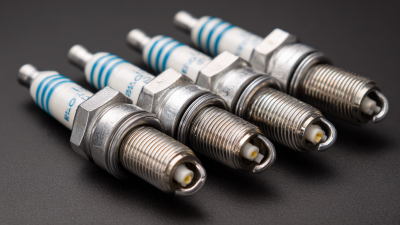
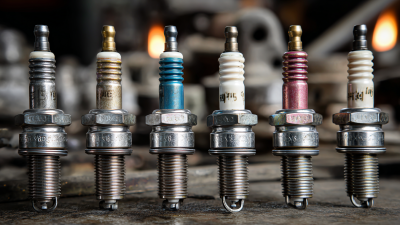
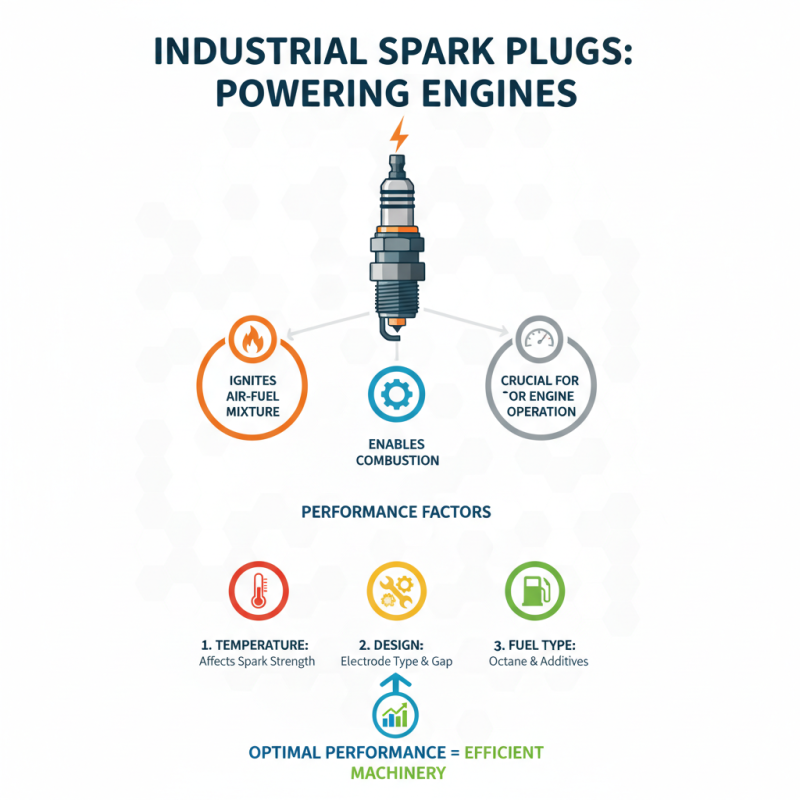
Industrial spark plugs are vital components in many heavy-duty engines. These plugs ignite the air-fuel mixture, enabling the engine to run smoothly. They operate under high temperatures and pressures, demanding durability and reliability. Unlike standard plugs, industrial versions typically have a longer lifespan to handle rigorous conditions.

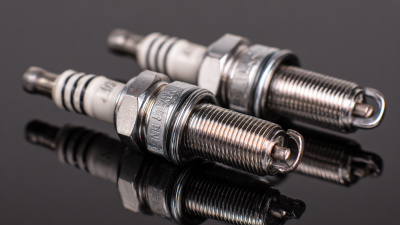
The design of Industrial Spark Plugs is more complex. They often feature multiple ground electrodes, allowing for better ignition performance. This design helps in reducingmisfires, which can lead to engine inefficiency. The materials used are specifically chosen to withstand extreme environments. Corrosion resistance is key, as industrial settings can be harsh.

Maintenance is often overlooked. Many users forget to check spark plugs regularly. This can lead to decreased engine performance and higher operating costs. Regular inspection should not be neglected. It is a simple task that can prevent larger issues down the line. Understanding the role of industrial spark plugs is crucial for optimal engine performance.

Components of Industrial Spark Plugs

Industrial spark plugs are essential components in systems like Industrial Gas Engines. They ignite the air-fuel mixture, enabling engines to operate efficiently. Understanding their components can help in maintaining performance and extending lifespan.

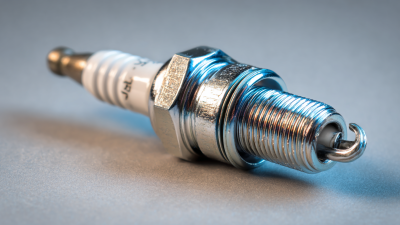
The primary component is the electrode. This part generates a spark when voltage builds up. Typically, the gap between the electrodes must be precise. If not, misfires can occur. The insulator surrounds the electrode, providing electrical insulation while maintaining heat resistance. It's crucial that this part holds up under high temperatures.

Another key component is the terminal, connected to the ignition system. It ensures a stable electrical connection. A loose connection can lead to spark inconsistencies. This can hinder engine performance. Lastly, the housing protects the internal parts from contamination and damage. Each of these components works in synergy, but failures in one area can lead to broader issues. Regular inspections are necessary, though they are often overlooked.

The Role of Spark Plugs in Engine Functionality

Spark plugs play a crucial role in engine functionality, especially in industrial applications. They ignite the air-fuel mixture, allowing engines to operate efficiently. High-performance engines often require specific spark plugs to maintain their functionality. According to industry reports, optimal Spark Plug Performance can enhance combustion efficiency by up to 10%.

When considering Industrial Engine Repair, it's vital to monitor spark plug condition regularly. Worn or fouled plugs can lead to incomplete combustion. This inefficiency not only reduces power but can also increase emissions. Engine performance may decline, affecting overall productivity. Cleaning or replacing spark plugs can be a simple fix, yet many overlook this maintenance step.

Tips: Check your spark plugs every 50 hours of operation. Look for signs of wear or carbon buildup. Remember, maintaining spark plugs is crucial for long-term engine health. Additionally, using the right spark plug can prevent potential misfires. Misfires can lead to costly repairs down the line. In the industrial realm, even small oversights can have significant consequences.

Performance Analysis of Industrial Spark Plugs

This bar chart illustrates the average performance metrics of industrial spark plugs based on their efficiency and longevity. The performance is measured in terms of ignition efficiency (%) and operational lifespan (hours).

How Spark Plugs Ignite Fuel-Air Mixture

Spark plugs play a crucial role in igniting the fuel-air mixture in an Industrial Gas Generator . They create a spark that ignites the compressed mixture. This process is vital for powering engines efficiently. When the spark plug receives an electrical charge, it generates a high-voltage spark. This spark must occur at just the right time for optimal performance. A delayed spark can lead to incomplete combustion, which wastes fuel.

Proper maintenance of spark plugs is essential. Check them regularly for wear and deposits. Dirty or damaged plugs can hinder ignition. This can lead to increased emissions and reduced efficiency. Consider using a cleaning solution to remove buildup.

When operating an Industrial Gas Generator, monitor performance closely. A sudden drop in power can indicate aspark plug issue. No one wants downtime due to avoidable problems. It’s a good practice to replace spark plugs according to the manufacturer's guidelines. This ensures reliable ignition and maximizes engine performance.

Factors Affecting Spark Plug Performance

What Are Industrial Spark Plugs and How Do They Work?

Industrial spark plugs are crucial in the engine operation of various machinery. They ignite the air-fuel mixture, enabling combustion. The performance of spark plugs can vary significantly due to several factors. These factors include temperature, design, and fuel type. Each factor can influence how effectively the spark plug performs.

Heat is vital for spark plug functionality. Too much heat can cause pre-ignition, while insufficient heat leads to fouling. The design matters as well. Spark plugs with larger gaps might create a stronger spark but can misfire under certain conditions. Using the right fuel type is equally important. Fuels with higher octane ratings may improve performance but can be more expensive.

Tips: Regularly inspect your spark plugs. Look for signs of wear or deposits. Keeping an eye on their condition helps maintain efficient operation. Remember, Industrial Generator Parts require attention to detail as small issues can lead to greater failures. Investing time in maintenance can save costs in the long run.

Maintenance and Replacement of Industrial Spark Plugs

What Are Industrial Spark Plugs and How Do They Work?

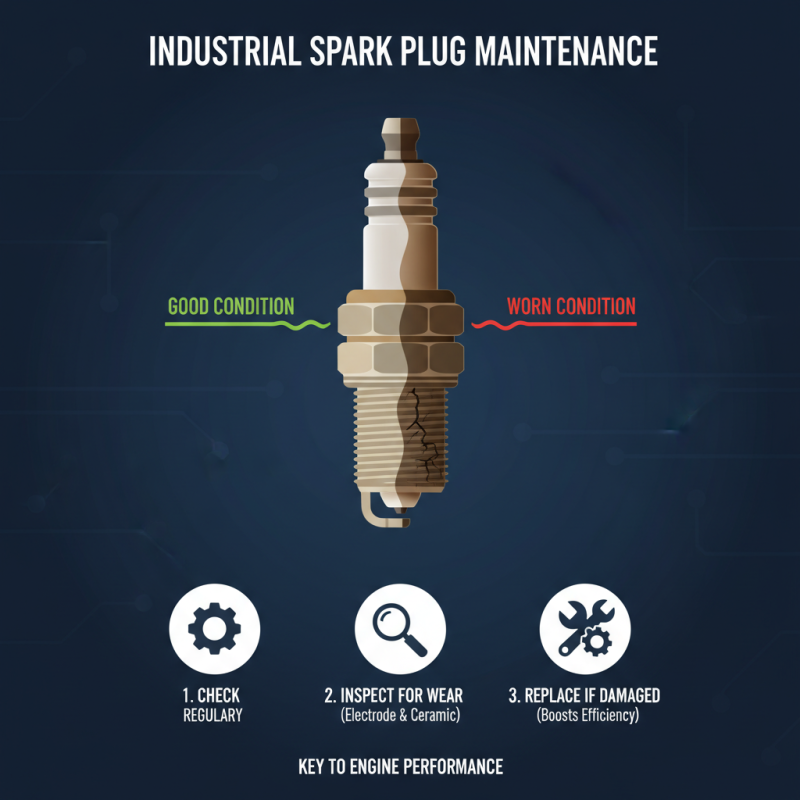
Industrial spark plugs play a crucial role in combustion engines. Over time, they accumulate deposits and wear down, impacting engine performance. Regular maintenance is key to ensuring efficient operation. Checking for signs of wear is essential. Inspect the electrode and ceramic insulator for any damage. A good spark plug should have clean, intact parts.

Replacement intervals can vary based on usage. Heavy-duty applications may require more frequent changes. Ignoring spark plug condition can lead to misfires and increased emissions. It’s not just about replacing the plugs; you should also consider other components. For instance, check ignition coils and wiring harnesses during maintenance.

Keep a record of changes and inspections. Monitoring trends can help identify recurring issues. Some may overlook these details, thinking they are insignificant. But, attention to even the smallest components can enhance overall engine health. Regular monitoring helps maintain optimal performance and avoid unexpected breakdowns.

Advancements in Spark Plug Technology for Industrial Use

Advancements in spark plug technology have significantly transformed industrial applications. Recent research by the International Journal of Engine Technology reports that modern industrial spark plugs can withstand extreme temperatures up to 1,000 degrees Celsius. This durability enhances performance in various engines, from generators to heavy machinery.

New materials, such as platinum and iridium, are now commonplace. These metals increase efficiency and lifespan. A recent industry report indicated that these advancements have led to a 20% increase in engine life. This means reduced maintenance costs and downtime, which is critical in industrial settings where every minute counts.

Tips: Always choose spark plugs that match your engine specifications. Regular inspections can prevent costly failures. Overheating and misfires can damage engines, so stay vigilant. Testing new spark plug options is essential, but don't forget the basics. Monitor performance changes closely, as advancements may not yield immediate results.

What Are Industrial Spark Plugs and How Do They Work? - Advancements in Spark Plug Technology for Industrial Use

Dimension Standard Value Advanced Value Notes
Temperature Range (°C) -40 to 200 -50 to 300 Improved thermal management
Voltage (V) 12,000 30,000 Higher ignition efficiency
Electrode Material Copper Iridium More durable and resistant to wear
Lifespan (Hours) 1,500 3,000 Longer operational periods
Ignition Time (ms) 3.0 1.5 Faster engine response

Choosing the Right Industrial Spark Plug: A Guide to Replacing Champion RTL85G 556 for Optimal Engine Performance

When choosing an industrial spark plug to replace the Champion RTL85G 556, it's essential to consider compatibility with different engine types to ensure optimal performance. Industrial engines can vary significantly in their spark plug requirements, and an incorrect choice may lead to subpar combustion efficiency. According to industry reports, using the right spark plug can improve engine performance by as much as 10% and enhance fuel efficiency, which is critical for businesses looking to reduce operational costs.

A suitable replacement spark plug should feature robust construction materials capable of withstanding high temperatures and pressures generated in industrial engines. Data from automotive research indicates that spark plugs designed for industrial use are often subjected to harsher conditions than those in passenger vehicles. This necessitates the selection of plugs with superior insulation properties and thermal management features. Additionally, the right plug can minimize emissions, aligning with increasing regulatory standards for cleaner operations.

Moreover, the longevity of a spark plug is another crucial factor; premium-quality plugs can last over 100,000 miles in optimal conditions, significantly reducing maintenance frequency and associated costs. Therefore, investing in the right spark plug replacement not only enhances engine reliability but also contributes to long-term savings for businesses operating machinery across various sectors.

FAQS

: What is a common cause of headaches?

: Dehydration. Not drinking enough water can lead to head pain.

How can I prevent a cold?

Wash hands often. This simple act reduces virus spread.

What are some effective stress relief methods?

Exercise, meditation, and deep breathing can help. However, results vary for everyone.

How much sleep do adults need?

Most adults need seven to nine hours each night. Some may require more.

What should I eat for a balanced diet?

Include fruits, vegetables, proteins, and whole grains. It's important to vary your meals.

How can I improve my focus?

Try eliminating distractions. However, some distractions can actually boost creativity.

What role does caffeine play in energy levels?

Caffeine can enhance alertness temporarily, but too much may lead to crashes.

Why is hydration important?

Water supports digestion and circulation. Yet, many forget to drink enough daily.

Can exercise boost mood?

Yes, physical activity releases endorphins. But motivation can be hard for some individuals.

What are the signs of burnout?

Exhaustion, irritability, and lack of interest can indicate burnout. Recognizing these signs is crucial.

Conclusion

Industrial spark plugs are essential components in industrial engines, playing a crucial role in igniting the fuel-air mixture to ensure efficient engine functionality. These devices consist of several key components, including the insulator, electrode, and terminal, all of which work together to produce the necessary spark that ignites the fuel. The performance of industrial spark plugs can be influenced by various factors such as operating temperature, engine load, and the type of fuel used.

Regular maintenance and timely replacement of industrial spark plugs are vital for optimal engine performance, as worn or faulty spark plugs can lead to decreased efficiency and increased emissions. Advances in spark plug technology continue to enhance their durability and performance, making them more effective for industrial applications. Understanding how industrial spark plugs operate and the factors affecting their functionality can help operators maintain their engines more effectively and maximize productivity.

Liam

Liam

Liam is a dedicated marketing professional at TECHIE Inc., a leading manufacturer specializing in ignition systems for stationary gas engines. With a deep understanding of the intricacies of gas engine technology, Liam excels in conveying the value of TECHIE's comprehensive range of ignition......
Previous Revolutionizing Industries: The Impact of Power Engines on Global Supply Chains and Efficiency